
It’s a word we hear all the time these days, but what is anxiety? Where does it come from? And how can we help someone with anxiety? Read on to find out more and learn tips to help yourself or a friend with anxiety.
What is anxiety?
Anxiety is the brain’s protective mechanism that fires up whenever we’re in danger.
We all have a part of the brain (the amygdala) that was originally used to help us in dangerous situations – like fleeing from lions or fighting enemies. It’s there to help us survive.
Life now, for most of us, isn’t as dangerous. But the fight or flight mechanism still exists. It just gets a little confused sometimes, between a real threat and what we imagine to be a threat.
In response to a perceived threat, a chain reaction begins. In the brain, the amygdala causes a surge of cortisol and adrenaline, in readiness to protect ourselves from an attack.
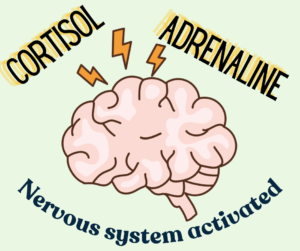
This activates the nervous system that runs throughout the body. Digestion stops, blood diverts to the muscles (so you’re ready to run), breathing quickens and the heart races. Blood pressure rises and the body sends oxygen to the liver to release glucose (because you need a sugar spike to give you energy to fight).
The body is now in a heightened state of awareness. You might notice your skin chills, and your senses are heightened. This is great when you are in REAL danger. But not so much when there’s actually no real threat or danger – that’s what we call anxiety.
In 2023, 60% of UK adults¹ experienced anxiety that interfered with their daily lives. It can affect anyone and if it’s affecting life significantly, an anxiety disorder may be diagnosed.
Where does anxiety come from?
- Genetic studies have shown some people are more prone to anxiety than others, but rather than there being one gene for anxiety, there are many tiny genetic variations that cause someone to be susceptible – and these overlap into other conditions too²
- Some areas of anxious brains in MRI studies, have shown to be underactive (calming down section) and overactive (areas relating to loss), more so than in those without anxiety.
- Childhood influences are strong in anxiety – whether it be through divorce, emotional abuse, inconsistent attention, or growing up with anxious parents
It really is a combination of nature, nurture and circumstance.
Medical jargon for anxiety disorders
When it gets bad enough to stop you from leading a ‘normal’ life (e.g. not able to socialise, not able to go to work), you may go to see your GP for help.
Anxiety can be classified in a number of different medical diagnoses, based upon the extent of symptoms, how they present in the patient, and how long it’s been going on.
Here are some anxiety disorders that are commonly diagnosed:
- Generalised Anxiety Disorder (GAD) – excessive and uncontrollable worry for more than 6 months
- Panic disorder (PD) – sudden, unprovoked, physical attacks
- Phobias – often considered an unreasonable fear of something
- PTSD – exposure to a traumatic event that results in flash-backs
- OCD – a compulsion to carry out actions to suppress thoughts or feelings
You don’t have to have an anxiety disorder to suffer from anxiety though! Anxiety can come and go through stressful times. The symptoms can vary from person to person.
Anxiety symptoms
When you have anxiety you may seem really calm on the outside, but inside, your brain is working overtime to think up every worst case scenario possible for what lies ahead!
Overthinking is one of the main symptoms of anxiety, but rather than just having a long list of things you need to do, these thoughts are worries about what could happen, what other people think, what could go wrong, and berating yourself for not living up to your own expectations.

In fact, expectations are high in anxiety – there’s an underlying frustration that things are not the way they’re supposed to be. Like having a rose tinted view of an ideal world.
Here are the common areas I discuss with my clients:
- Overthinking
- Sleep problems
- Brain fog
- Panic attacks & anxiety attacks
- Social anxiety
- Body tension
- Worry about the future
- Dwelling on the past
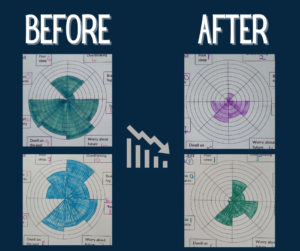
It’s helpful to decide how much each of these areas is impacting your life. If you know which one is the biggest problem for you, tackle that first in any way you can. This will bring the greatest relief to you.
I chart out client responses so they can see the improvements they’ve made over their time with me. As you can see from these examples, everyone is different and outcomes really depend on their lifestyle in general, what other things they are doing to help themselves and what their mind needs the most at the time.
Overthinking
The brain will keep sending messages to you until you’ve solved the problem. This is great when you have a big project at work, or you need to plan a journey. But it’s not great when overthinking is about things you can’t control, like:
X Other peoples actions
X Other people’s opinions
X Tasks that are not your own
X World peace
It’s important to get clear on what your thoughts are when you overthink, times of day when it happens more, circumstances you’re in at the time it happens. Viewing it from outside the box can help you see patterns of behaviour, so you can start to reassure yourself.
Sleep problems
This is a huge subject! What are sleep problems exactly? We all imagine that those people who say they sleep well are falling asleep as soon as their head hits the pillow, then waking up refreshed exactly 8 hours later, having not moved, nor gotten up to use the bathroom. But a good night’s sleep is subjective and I’ve not yet met anyone who has perfect sleep all the time!

Sleep problems include:
- Waking in the night
- Difficulty falling asleep
- Dreaming a lot but not sleeping deeper
- Not getting enough good quality sleep (not everyone needs 8 hours though)
There are a couple of things that make sleep worse:
- Having a stressful, busy life (plus or minus anxiety).
- Alcohol. It lulls you into a false sense of security so you fall asleep easily, then it causes a surge of cortisol to course through your veins, waking you up feeling anxious.
Brain fog
I use this term because that’s what many of my clients call it. Also known as poor concentration, a bad memory, or forgetfulness.
Brain fog is common when you’re not sleeping well – the body needs energy to work physically, and there’s just not enough spare for your mind as well. But if you can get through the day working on auto pilot, you don’t need to think so much eh?
Panic attacks & anxiety attacks
These are often confused as being the same thing, when they’re experienced very differently.
An anxiety attack is slow burning – it comes on slowly and builds and builds until it stops you doing something. Like going to an event, for example. It feels like a worry that’s stuck and often impacts your stomach, making you feel sick or light headed. It’s a horrid feeling that makes you feel too unwell to face whatever you’re anxious about.
You usually know what’s making you anxious and have been overthinking about this for a while.

A panic attack is sudden. It comes from nowhere, often when you’re actually feeling fine! It can happen anywhere, anytime. It stops you in your tracks because you feel like you’re having a heart attack. There’s the feeling of a heavy weight on your chest. You may feel dizzy or numb in your extremities. You’re likely to feel your heart racing with palpitations. It can cause huge embarrassment if you’re in public when it happens.
You’ve no idea why it came. But it was your nervous system reaching a point of no return – it simply wants you to SLOW DOWN.
Social anxiety
This is a standalone type of anxiety, but is also apparent in those with general anxiety. Having anxiety is tiring. You want to see people and join in, but you don’t know how much energy you’ll have on the day of an event. You also don’t know if you’ll have an anxiety attack that stops you going.
You worry about the event itself, the location, the food, the drink, when it will end, who will be there, what they will think of you….the list goes on.
Afterwards, you worry about how you came across to others, what you said, how you acted, what people think about you. It’s very draining.
Body tension
There’s a sweet spot for everyone where their anxiety sits. For some it’s in the abdomen. For others, it’s the chest, shoulders or head. It’s like all the energy of worrying collected in one place in your body. You might feel it there all the time. Or just sometimes.
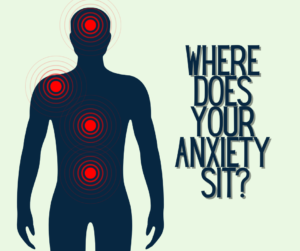
It can affect your appetite, cause you to pull muscles, affect your breathing and even give you migraines and headaches.
Worry about the future
This is probably the biggest worry for those with anxiety – all the ‘what if’s’. Every scenario possible for what could go wrong. A thought pops into your head and you almost respond to it….’oh yeah, what if that happens?’ Then you sit ruminating over it for ages. Choosing to think about worse case scenarios.
Training the brain to think of all the things that could go right can help alleviate this.
Dwelling on the past
Often, when we think ‘what if’ we check back over past events to see what went wrong before and create a plan to prevent problems. But there’s also some form of regret in there, with mulling over what we wish we could have done differently, along with grief over what’s changed.
How does anxiety affect life?
Anxiety ripples out into our lives, impacting more than you’d expect. It can:
- Affect our relationships – creating a fog in our judgement, shutting down our ability to see things from another’s perspective.
- Affect our self-care – when we feel anxious, there’s no room for exercise or meal planning, because we feel like we have bigger things to tackle!
- Zap our energy – making us feel tired all the time and a little under the weather.
- Affect our focus – we get stuck in procrastination mode! Getting anything done becomes virtually impossible, because while we’re trying to focus on the job we’re doing, our mind is constantly chattering away, taking our concentration!
Ways to combat anxiety
Whether you’re reading this for yourself, or for a friend, here are some tips to help you handle anxiety better.
6 tips to help someone with anxiety
From the outside, anxiety can seem like an excuse.
As a friend of an anxiety sufferer, you might feel pushed out because that friend lets you down at the last minute. You may even stop inviting them out. Please don’t take it personally.
They really want to go out and will say yes to joining in. But on the day, they might be suffering more than you think. It might be just too much to find the energy and courage to face the world.

People with anxiety seem really calm on the outside, but inside, their brain is working overtime to think up every worst case scenario possible for what lies ahead! They really can’t help it.
So the next time you get stood up or let down by a friend, please don’t think they’re being selfish. They really want to spend time with you, but maybe in a quieter way.
Here’s how you can help them:
1) Keep inviting them out, even if they never turn up
2) Check in with them regularly via text (phone calls can be intimidating when you’re in high anxiety mode)
3) Suggest different ways to spend time with them – maybe just a coffee at their house, rather than a night on the town
4) If you know they’re struggling, drop off a meal for them
5) Offer to help them tidy their house or garden to give them some support (if they want it)
6) Direct them to my website where they can access some free resources
6 tips to help ease your own anxiety
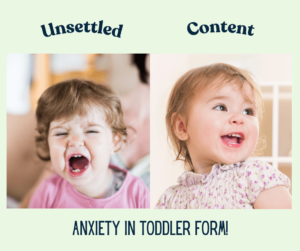
First and foremost, remember your mind is only trying to help you. Think of it as a loving toddler that is always wanting your attention. You can train your mind to stay calm and break that chain reaction of fight or flight.
Ways to help yourself:
1) When you’re overthinking, write down your thoughts. Strive to learn more about the reasons behind situations causing you anxiety
2) Bring yourself back to the present and do one small act of self-care (maybe watching a comedy or dancing to your favourite music?)
3) Breathe in slowly for a count of 5 and out slowly for a count of 7 (this tells your mind you’re ok). Repeat.
4) Stop multitasking – take tasks one at a time
5) Gaze out of the window and see if you can find something for every colour of the rainbow
6) Access free resources on my FAQ page – there’s a list of handy tips you can print out and also an audio you can listen to, to calm your nervous system and give yourself some compassion.
Getting professional help
Your GP will direct you to charities that provide free help (such as the Samaritans or Mind). But waiting times may be long. You can find many private professionals online using directories such as the Counselling Directory or the Hypnotherapy Directory. These directories make sure the professionals listed are registered and insured and follow strict codes of ethics.
You may have tried CBT, counselling, medication, or other holistic approaches before, but many only work on either the body or the conscious mind. We spend 95% of our day operating subconsciously (that’s why we do so much on auto pilot), so it makes sense to try tackling your problems using hypnotherapy if you’ve not before.
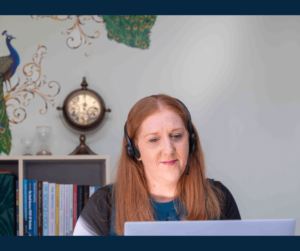
If you’re happy to have online hypnotherapy sessions, I can help you. With hypnotherapy, we help you to feel more laid back in general. More calm and relaxed. So you don’t sweat the small stuff anymore.
To find out more about how I can help you, head over here:
References:
- Mental Health Foundation Statistics: https://www.mentalhealth.org.uk/about-us/news/new-research-reveals-anxiety-gripping-uk-many-people-struggle-cope
- Are there anxious genes? Morris-Rosendahl, D.J. (2002) Dialogues in Clinical Neuroscience 2002 Sep; 4(3): 251–260